
- Details
- Written by: fit
- Category: Uncategorised
- Hits: 6253
Facilities
Physics Laboratory
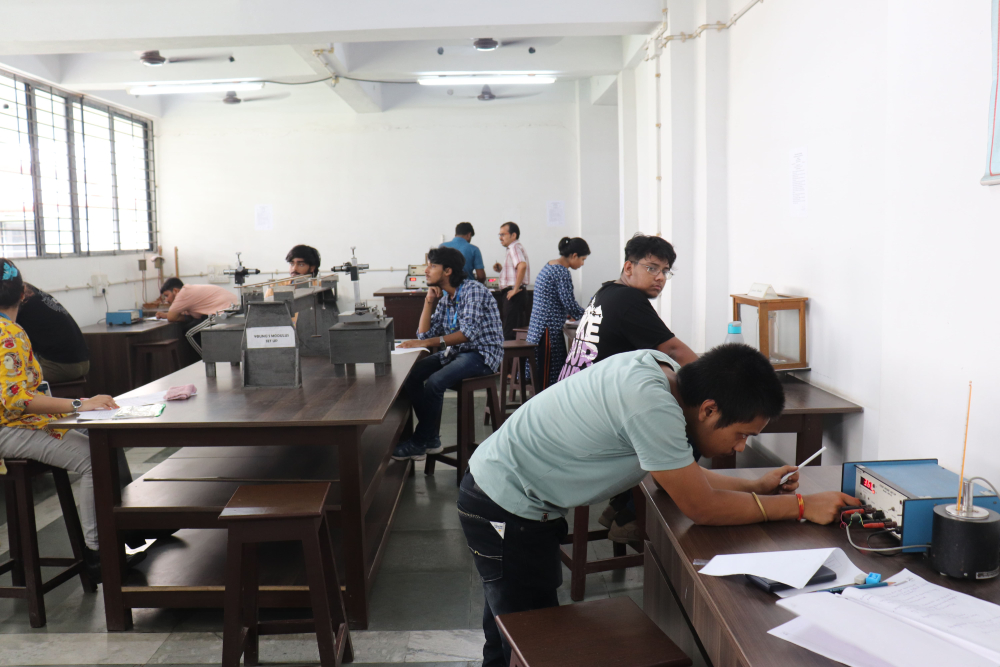
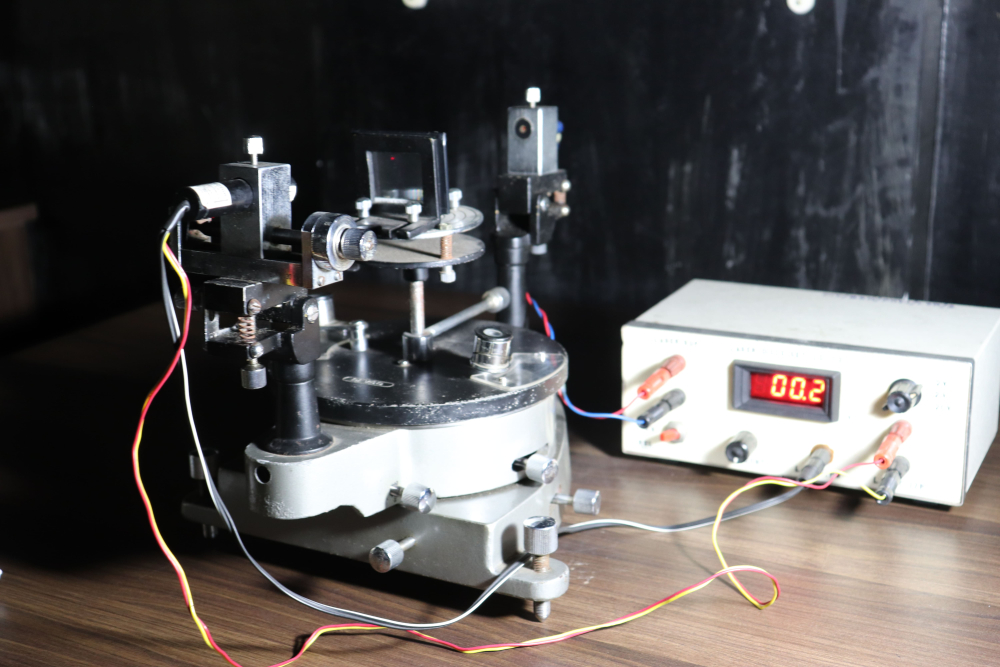
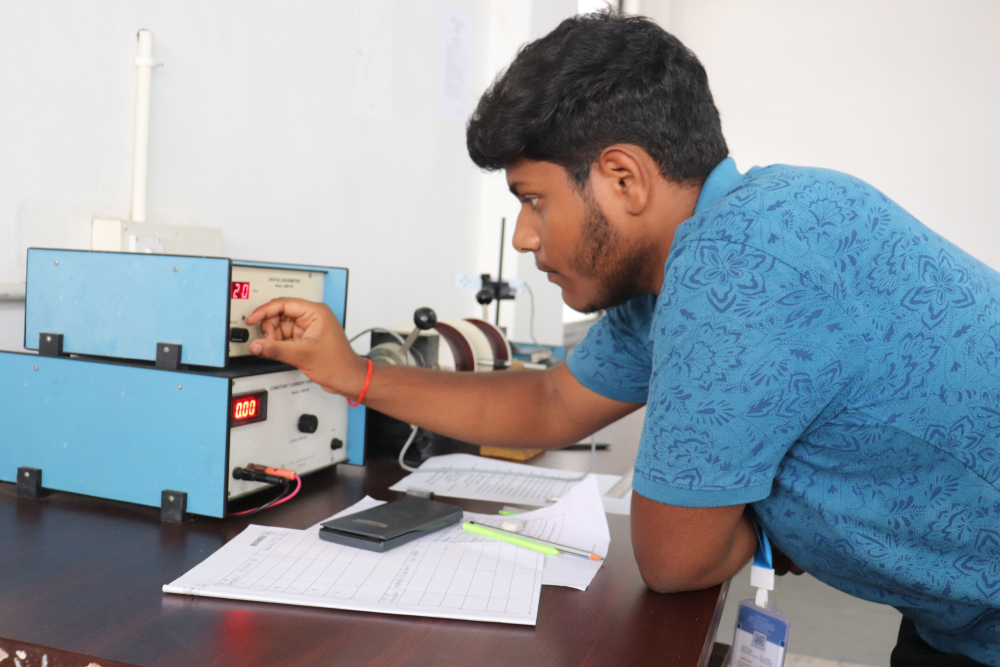
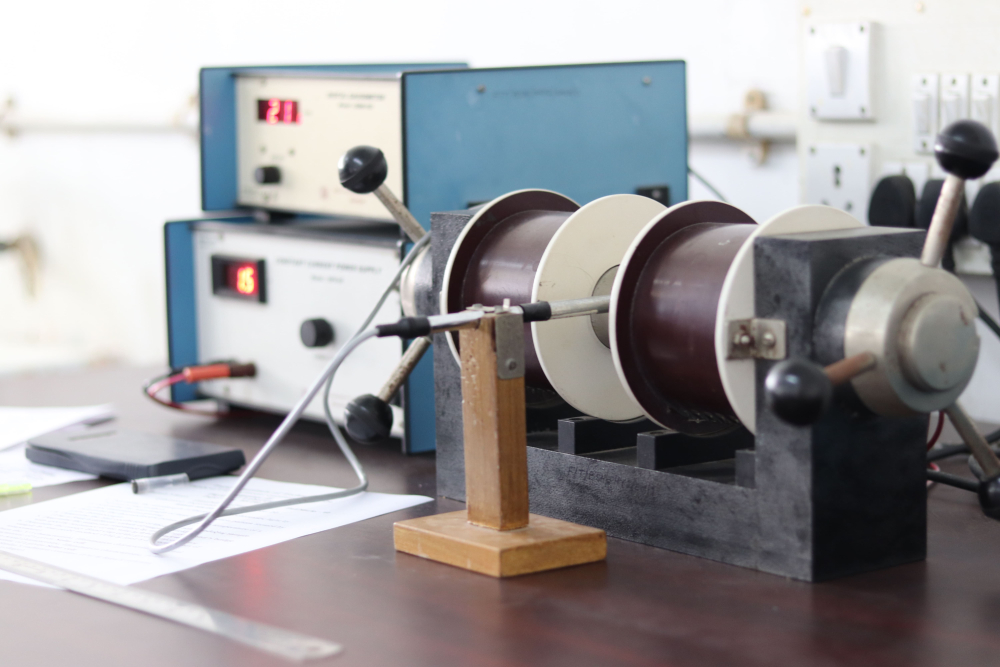
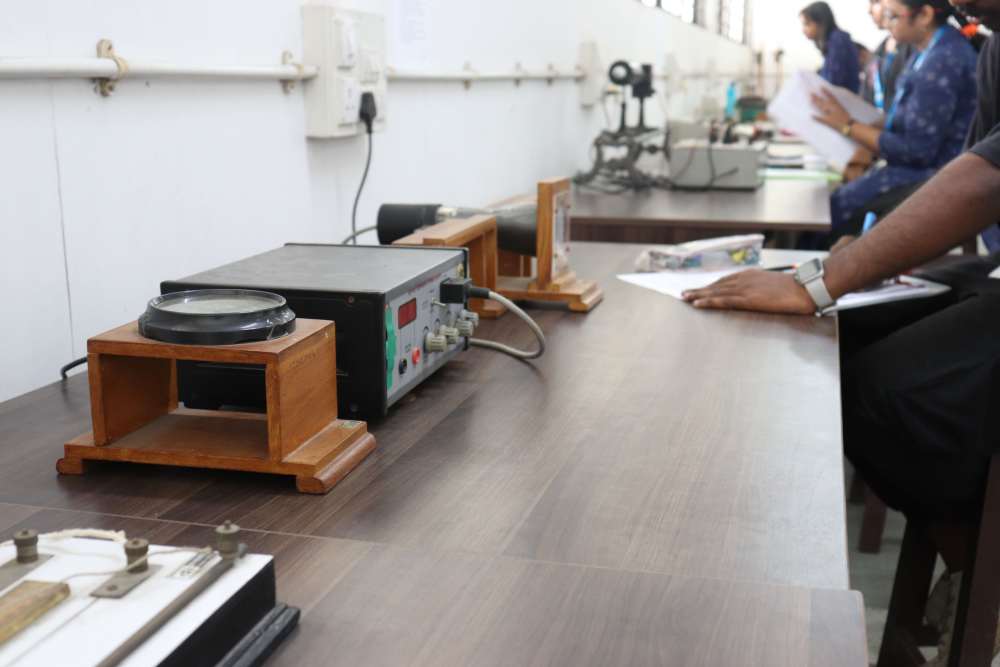
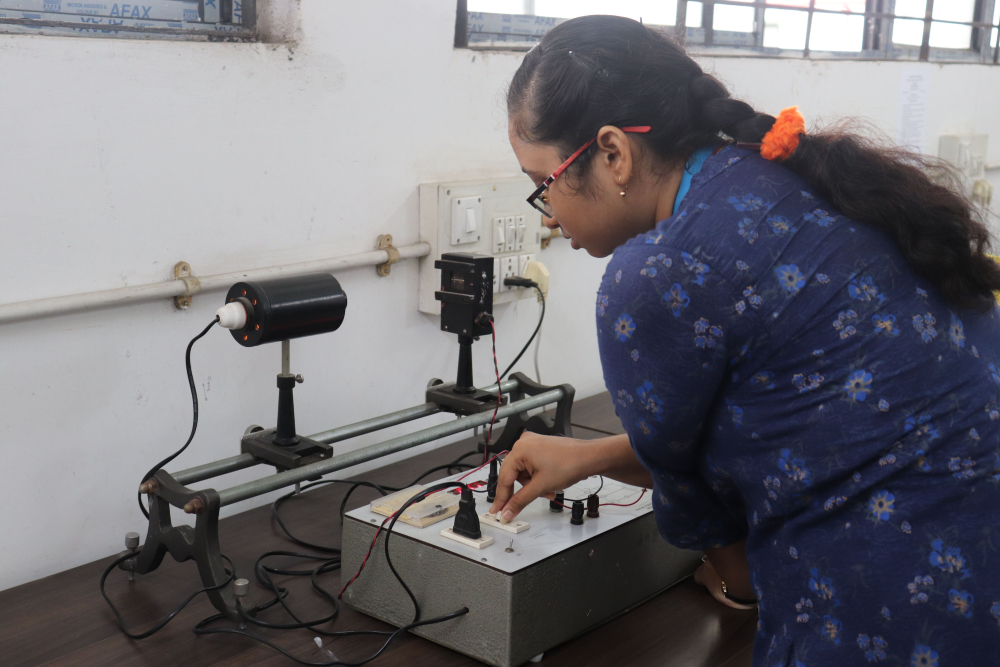
A physics laboratory for engineering students is a special place where they learn about the principles of physics through hands-on experiments. This lab has a variety of equipment and tools that help students understand how things work in the real world.
The lab is well-organized and equipped with modern instruments. There are spacious workstations where students can conduct experiments safely. The environment in the lab is welcoming and supportive. Instructors are available to guide students and answer their questions. The lab is designed to be user-friendly, making it easy for students to find what they need and focus on learning.
In the lab, students apply the theories they learn in their lectures. These practical experiences help them see the real-world applications of their studies, making the learning process more engaging and meaningful.
Chemistry Laboratory
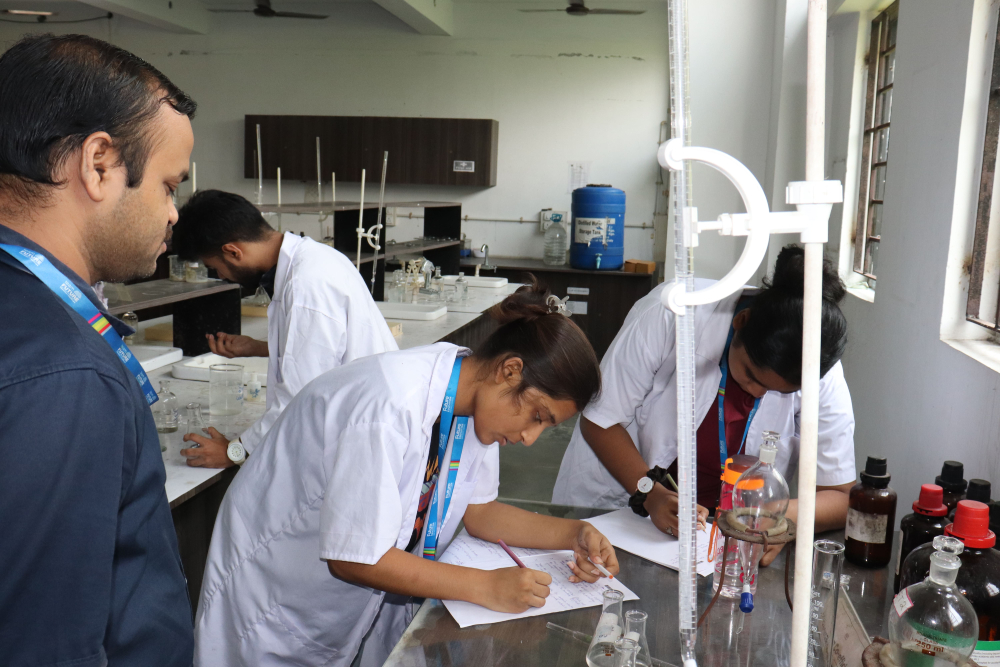
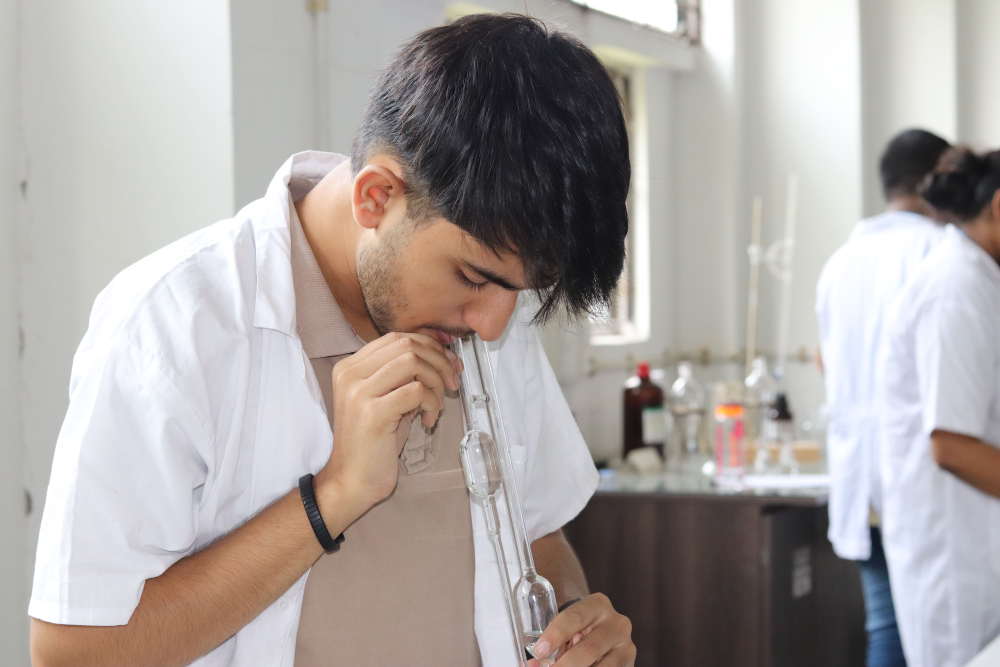
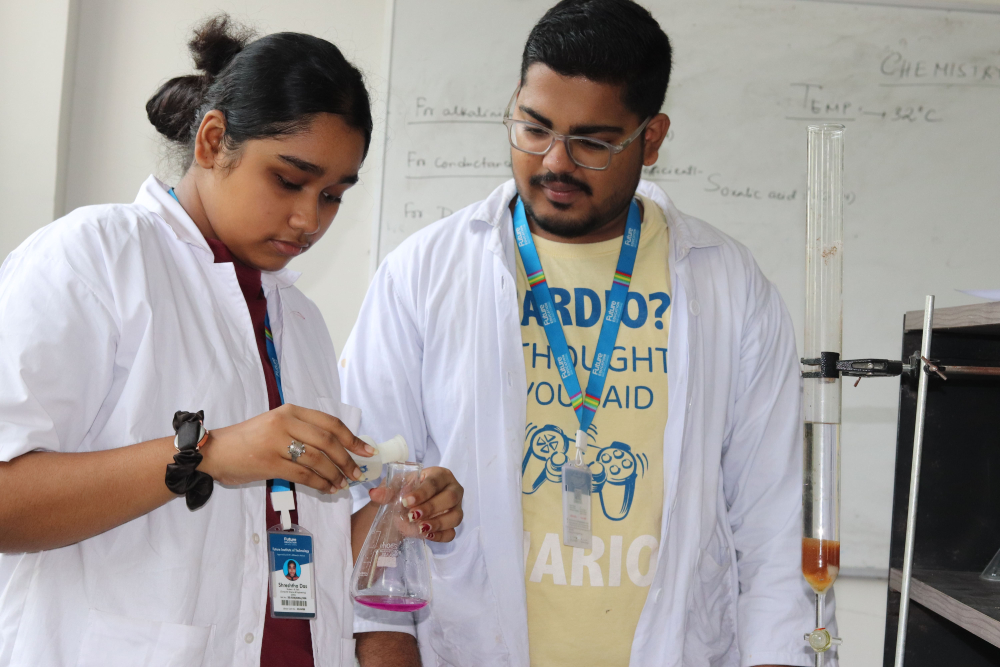
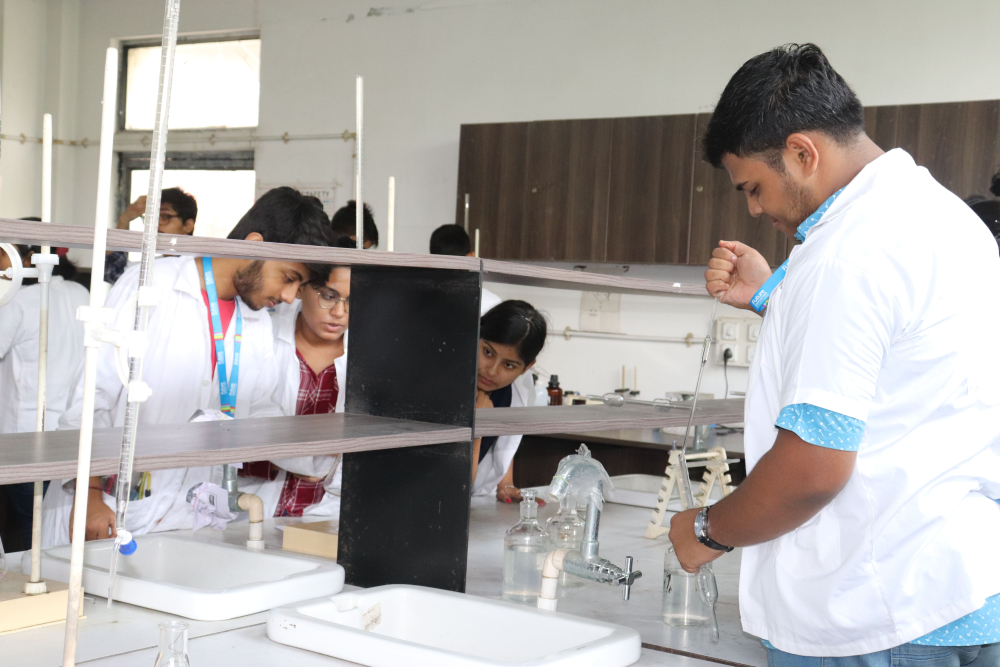
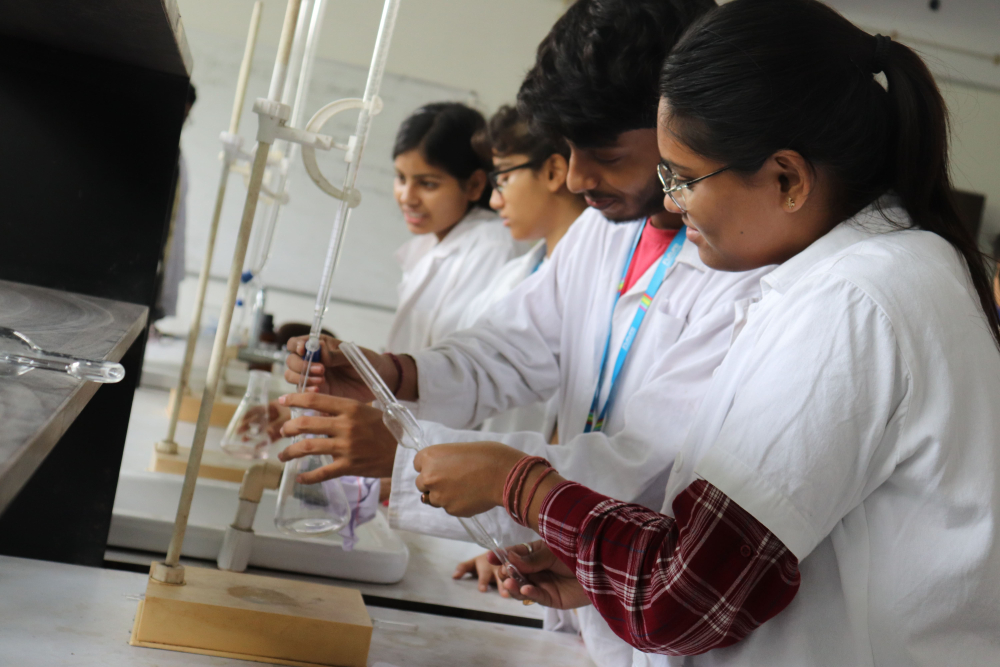
A chemistry laboratory for engineering students is a place where they learn about chemical reactions and properties through practical experiments. This lab is designed to be both educational and safe, helping students understand chemistry in a hands-on way.
The lab is set up with various workstations, each equipped with essential tools and materials. There are beakers, test tubes, burners, and other instruments needed for experiments. The lab is spacious and organized, making it easy for students to move around and find what they need.
Safety is a top priority in the chemistry lab. Students are protected with safety gear like goggles, gloves, and lab coats. There are clear safety instructions, and emergency equipment like fire extinguishers and eye wash stations are easily accessible.
The atmosphere in the lab is welcoming and supportive. The lab is designed to be user-friendly, ensuring that even those new to chemistry can learn and work comfortably.
In the lab, students get to apply what they have learned in their chemistry classes. They might mix chemicals to see reactions, test the properties of materials, or analyze substances. These activities help them understand how chemistry works in the real world, making their studies more interesting and practical.
Language Laboratory
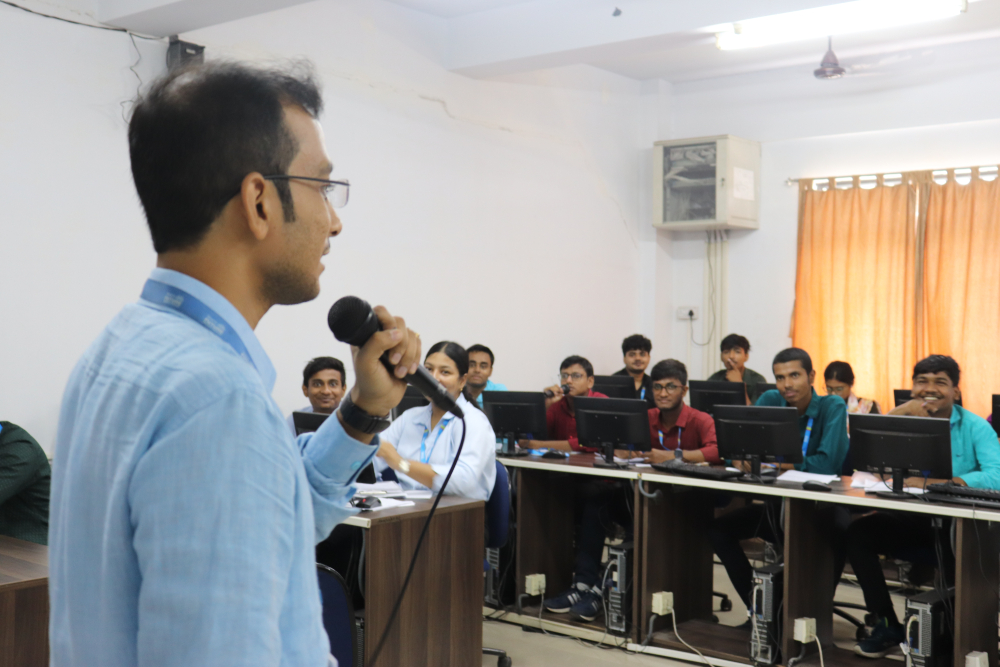
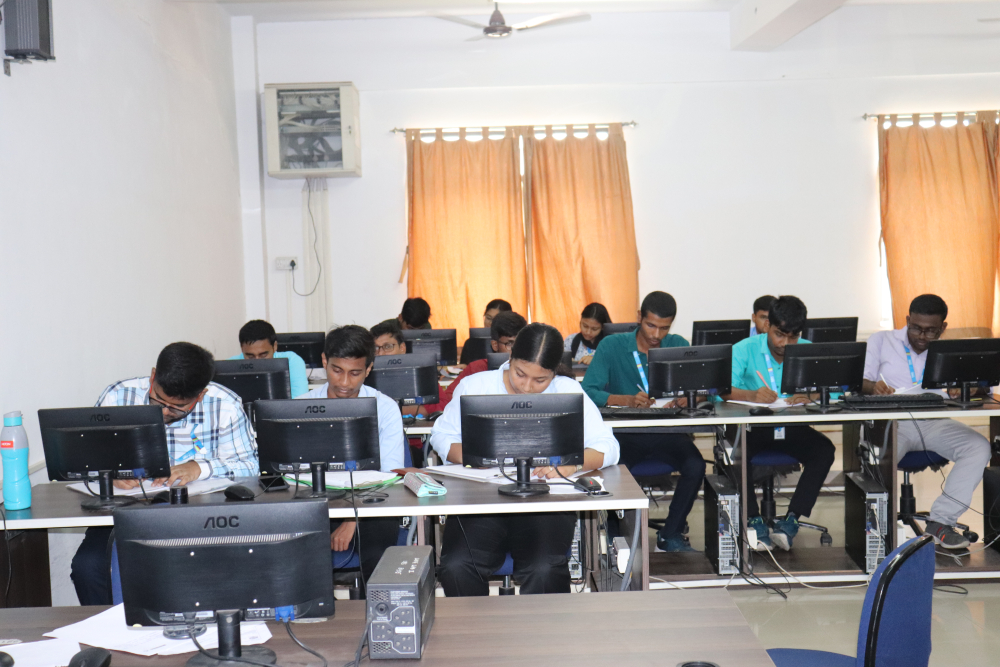
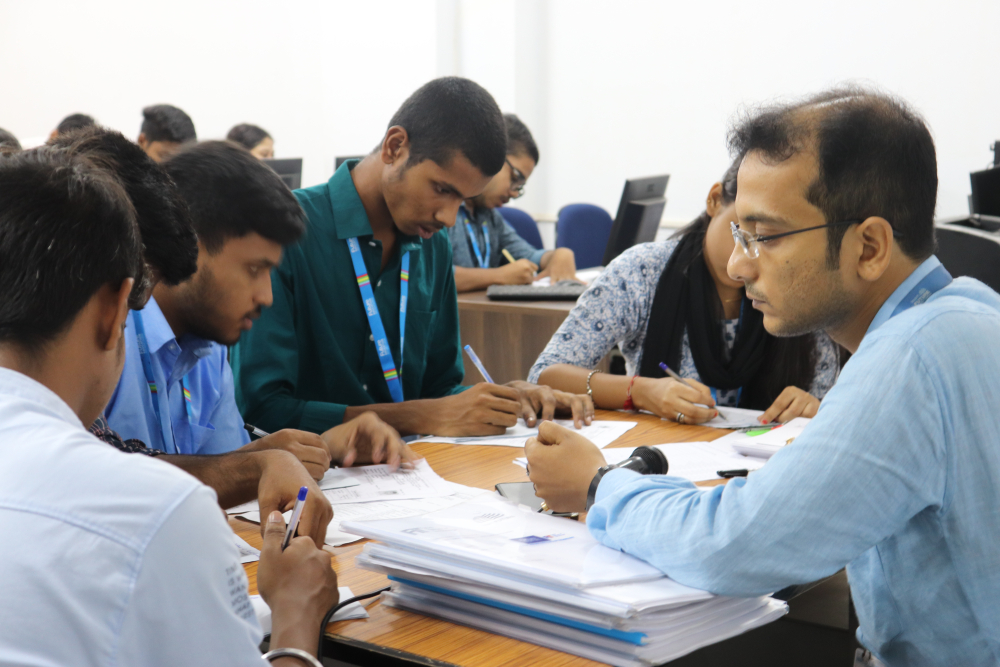
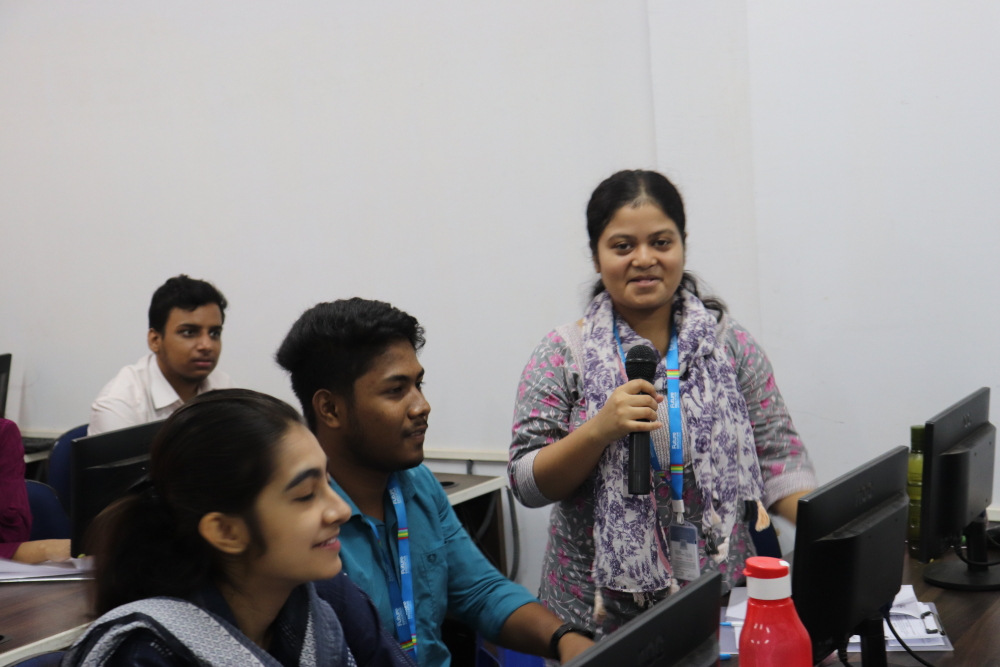
A language laboratory for engineering students is a special place where they can improve their communication skills through various activities and exercises. This lab is designed to help students become more confident and effective in speaking and understanding languages.
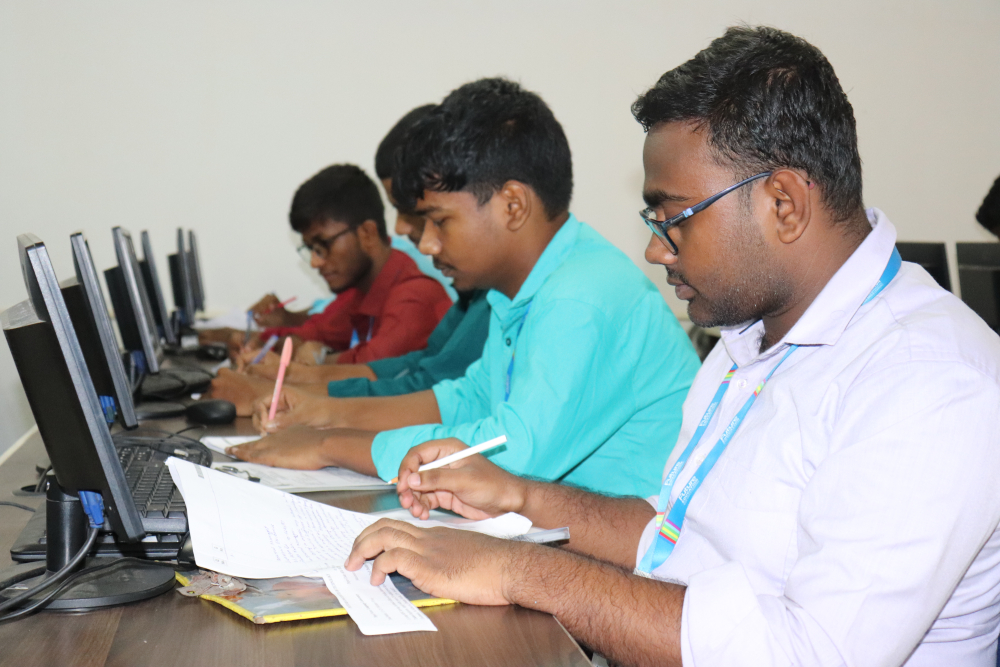
The lab is equipped with modern computers, headsets, and microphones. Each student has their own workstation where they can practice listening, speaking, and pronunciation. There are also recording devices so students can hear and improve their own speech.
Activities: In the language lab, students participate in various activities that make learning fun and engaging. They might take part in debates, where they practice presenting their ideas clearly and persuasively. There are extempore speaking sessions, where students speak on a topic without preparation, helping them think on their feet. Group discussions are also common, allowing students to share their thoughts and learn from each other. These activities help students build confidence and improve their self-esteem.
Overall, the language laboratory is an important part of an engineering education, providing a supportive space for students to develop their communication skills through practical and enjoyable activities.
Mentoring Session
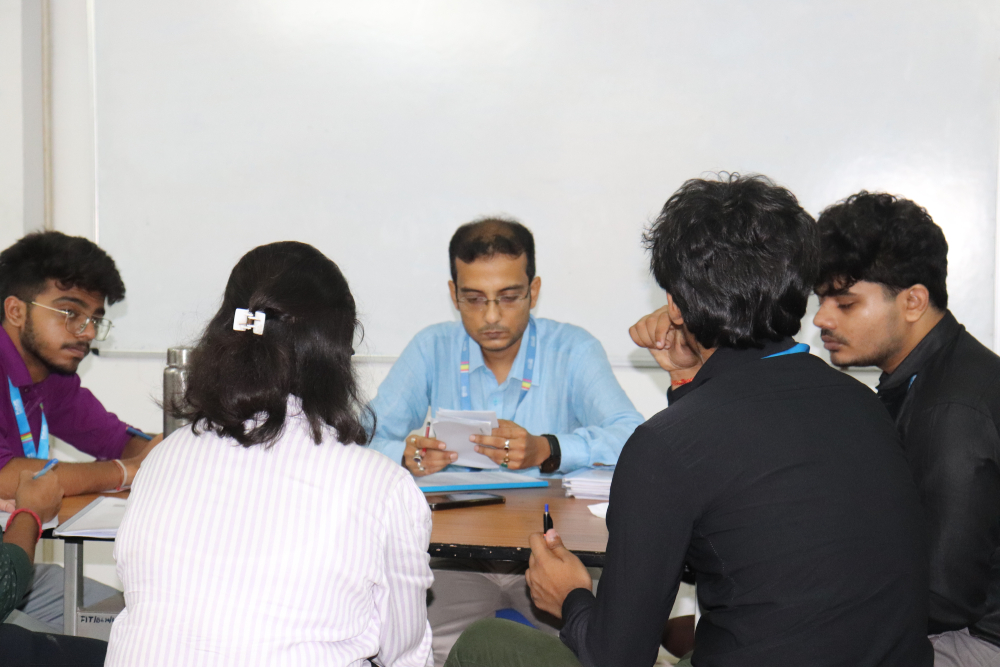
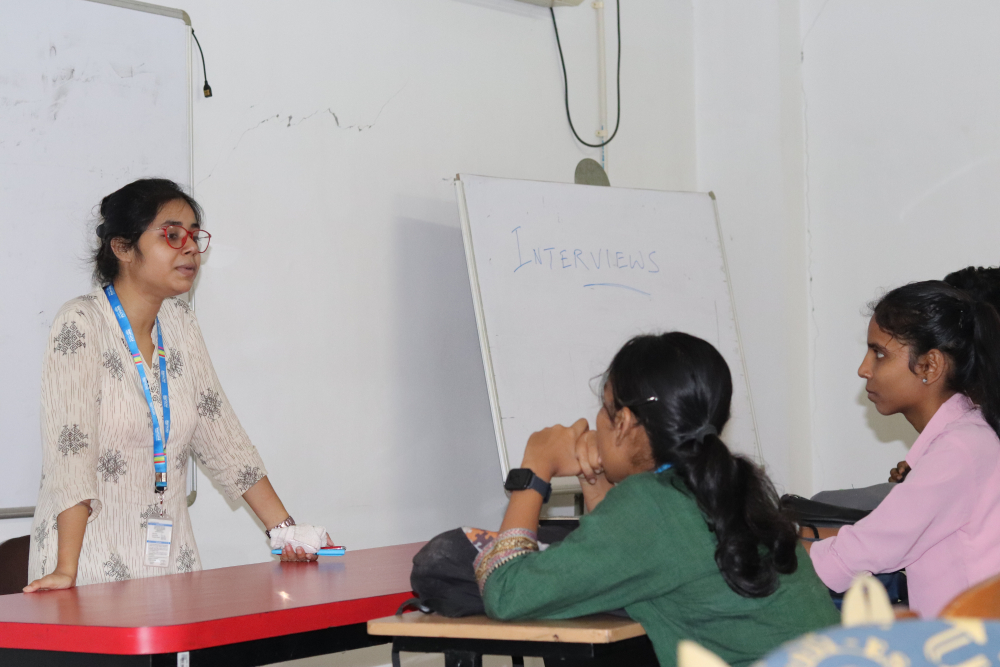
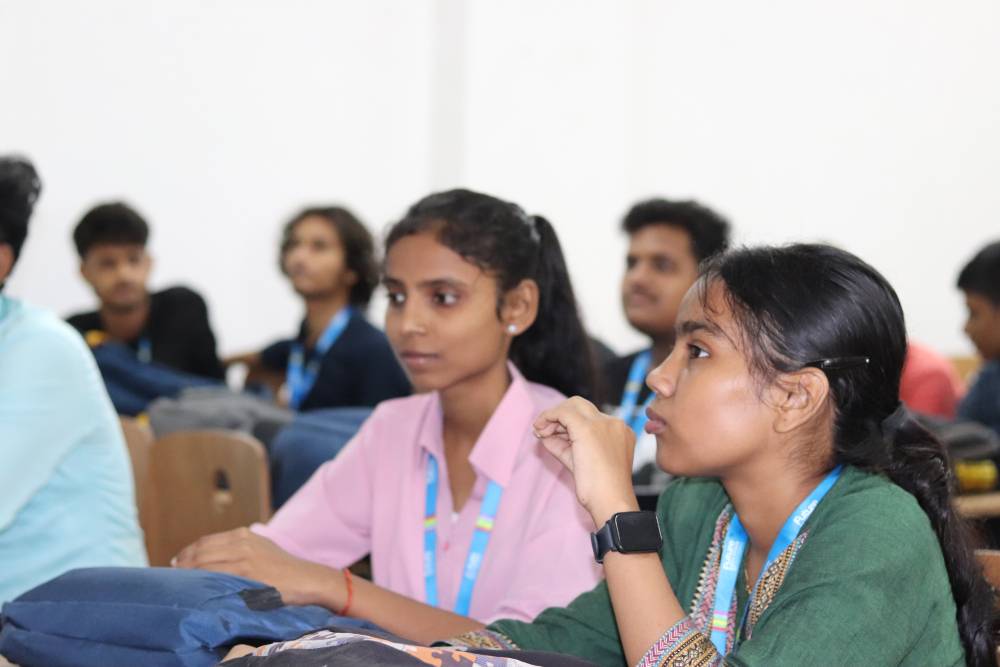
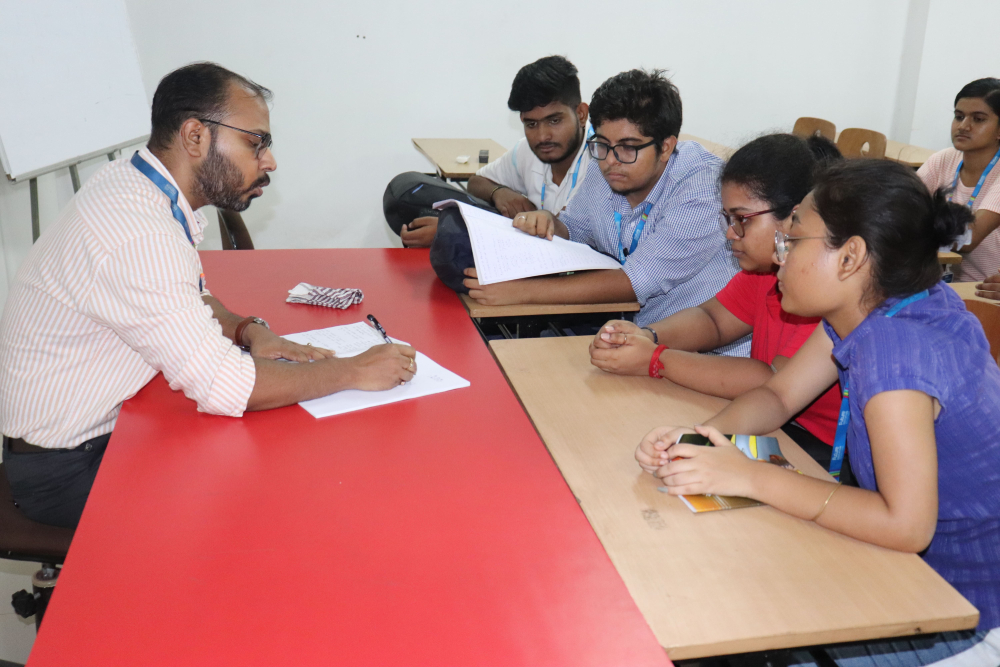
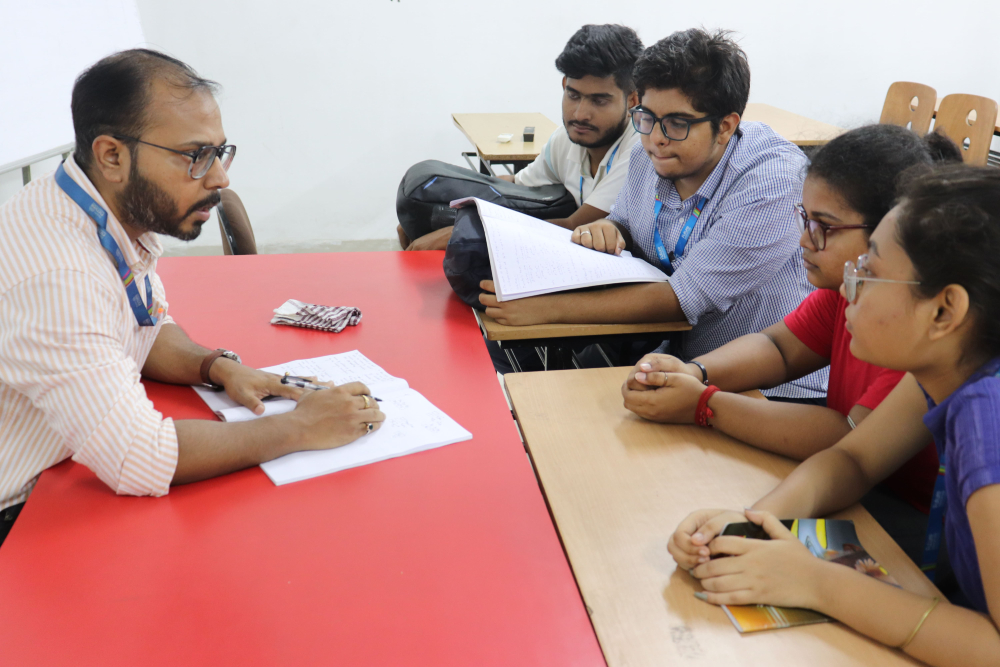
A mentoring session for engineering students is a friendly and supportive meeting where students can talk with a mentor about their academic problems and any other concerns that are bothering them. These sessions are designed to help students feel better and stay focused on their career goals.
The mentoring sessions take place in a relaxed and welcoming environment. Students can speak openly with their mentors, who are trained to listen and understand their issues without judgment.
During these sessions, students can talk about anything that is troubling them. This might include difficulties with coursework, exam stress, or personal issues. The mentor offers advice and practical solutions to help students manage their problems and improve their situation.
The mentors also help students stay focused on their career goals. They provide encouragement and motivation, helping students to see the bigger picture and stay on track with their academic and career plans.

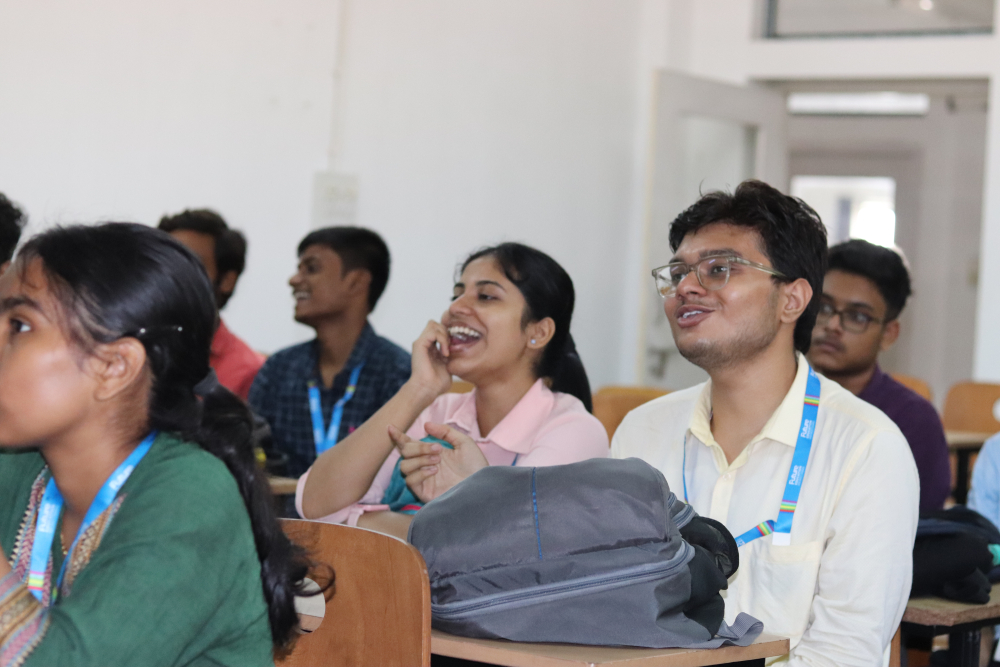

Smart Class Room
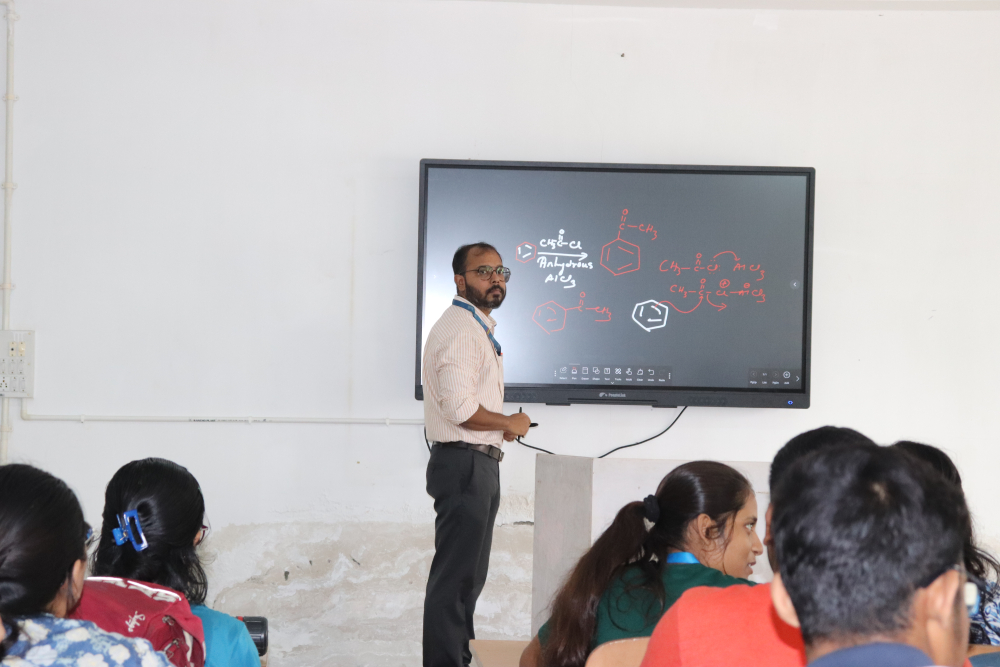
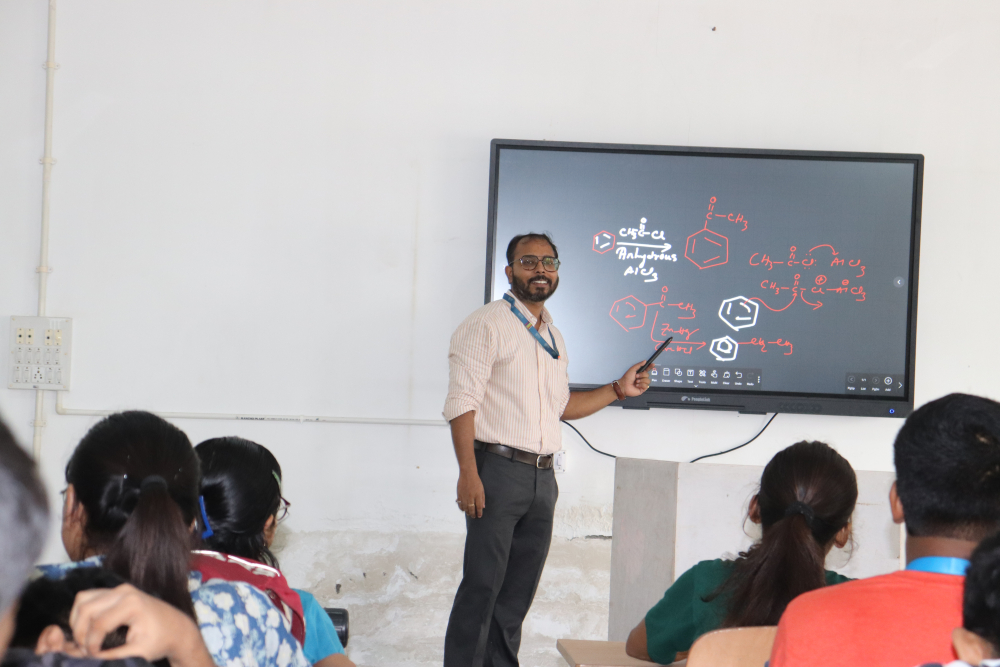
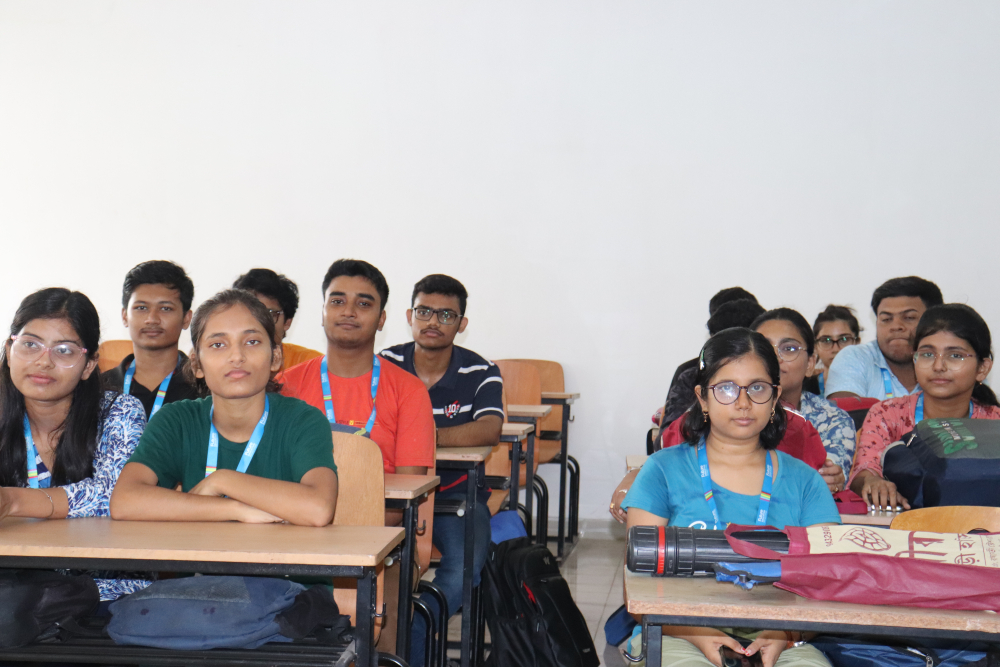
A smart class for engineering students is a modern classroom equipped with advanced technology to make learning more interactive and effective.
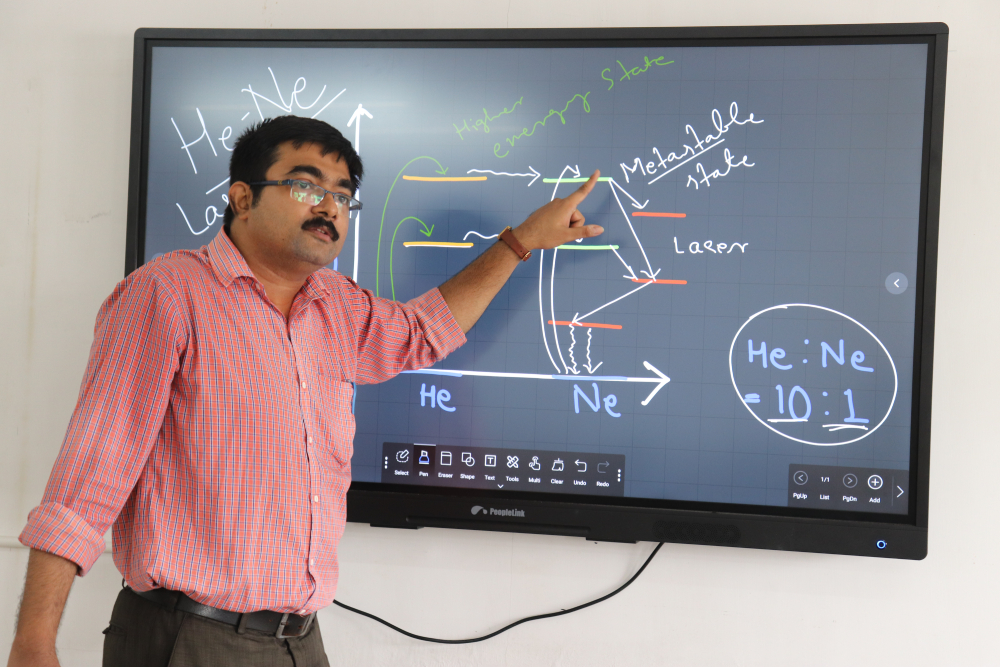
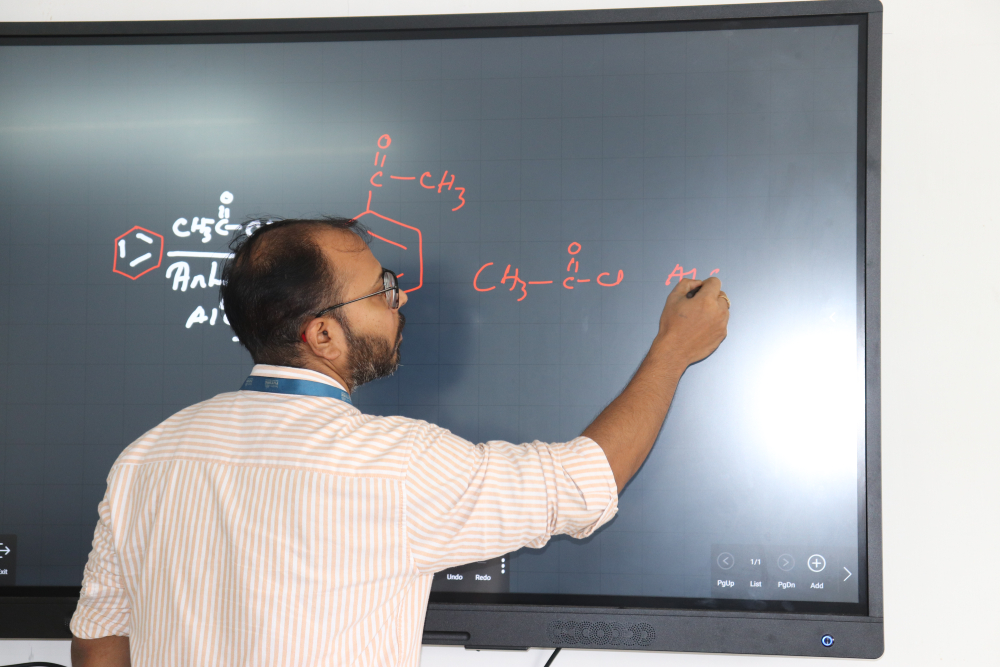
In a smart class, there are large screens or interactive whiteboards where teachers can display videos, animations, and presentations. These tools help make complex topics easier to understand.
Smart classes make learning more engaging. Teachers can use digital tools to show how things work in real time, like simulating a machine or demonstrating a scientific principle. Students can participate in quizzes and polls during the lesson, making the class more interactive.
Tutorial Class
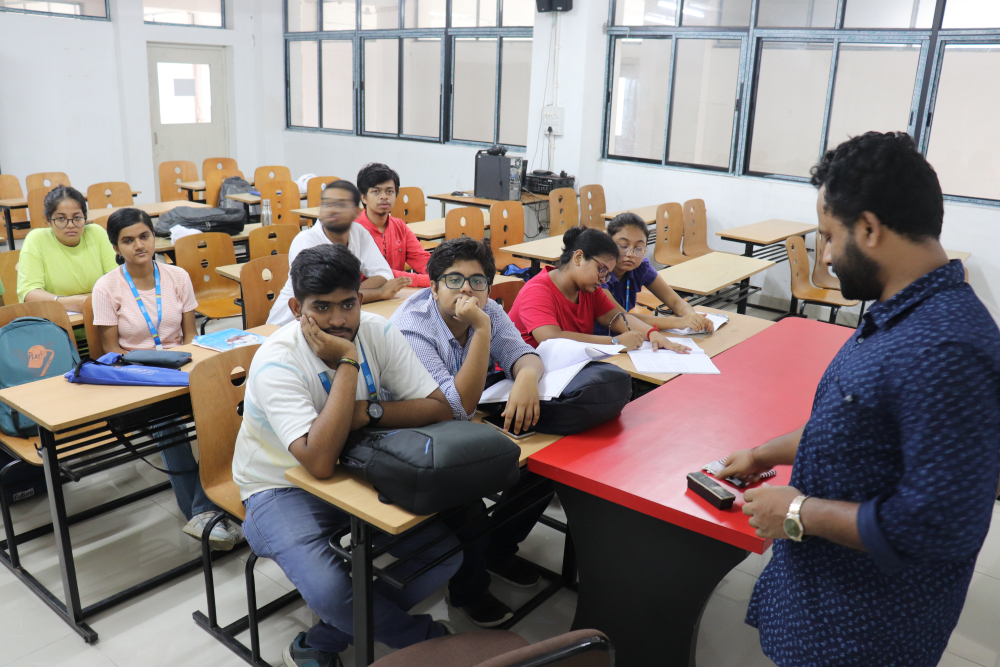
A tutorial class for week or lagging students is a special class designed to help students who need extra support in their studies. These classes are smaller and more focused, making it easier for students to catch up and understand their lessons better.
Personalized Attention: In a tutorial class, teachers give more individual attention to each student. They can explain difficult topics in a simpler way and answer any questions the students have.
Small Groups: The classes are small, so students feel more comfortable asking questions and participating in discussions.
Extra Practice: Students get more practice with their studies in tutorial classes. They can work on exercises and problems with the guidance of the teacher, which helps reinforce their understanding of the material.
Overall, tutorial classes are a valuable resource for students who need a little extra help. They provide a supportive environment where students can improve their understanding and get back on track with their studies.
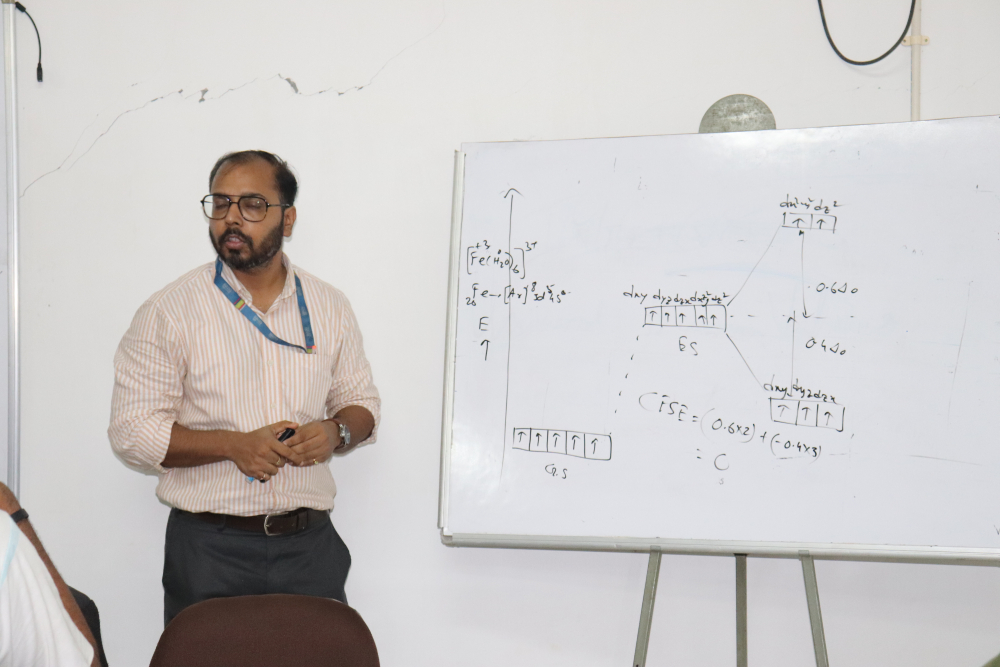
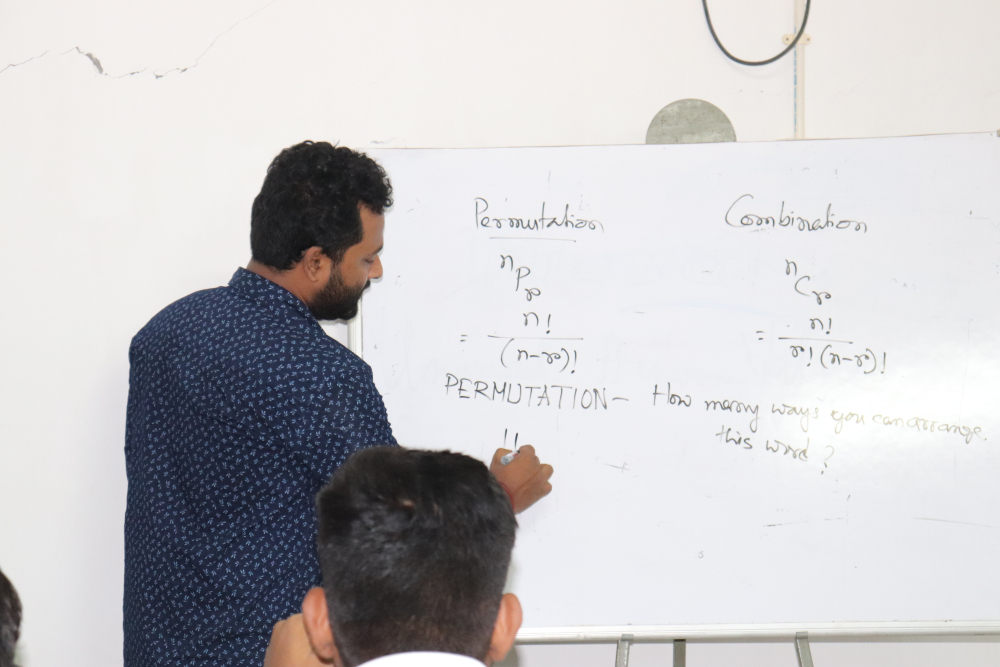
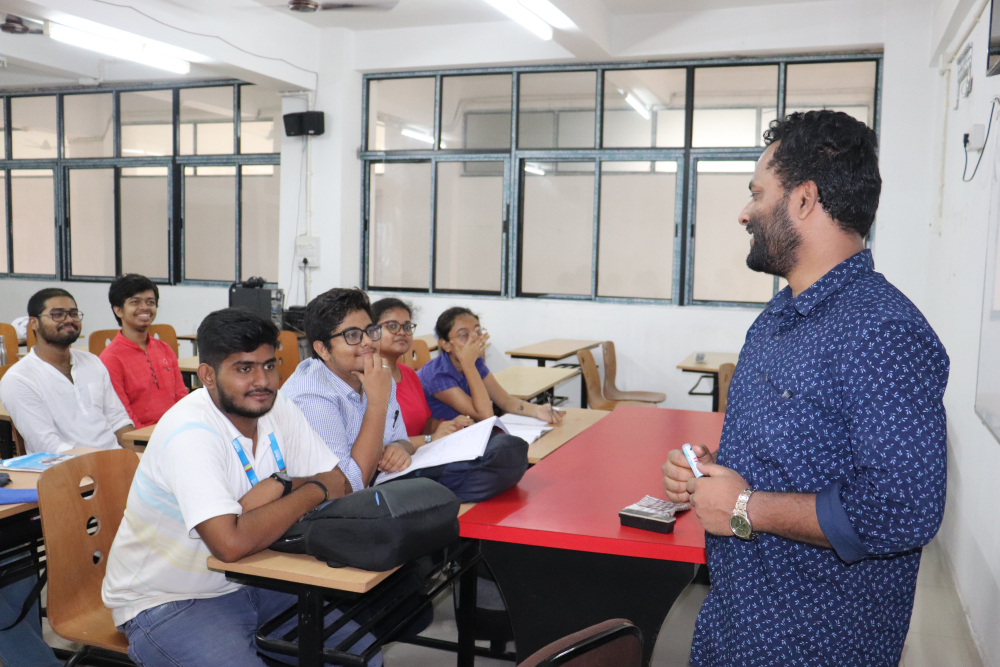
Doubt Clearing Session
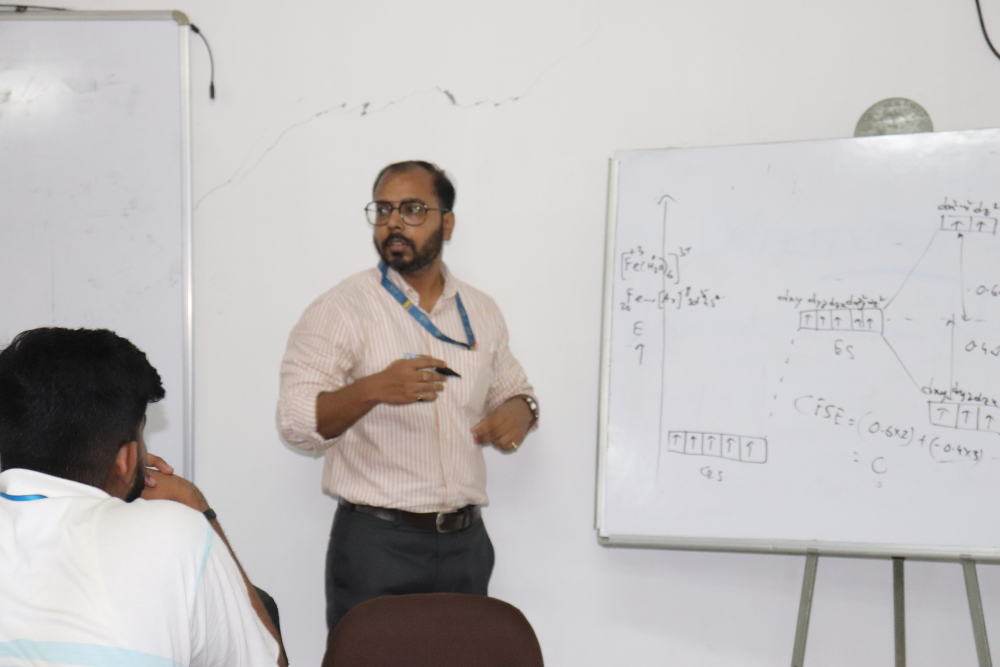
A doubt clearing session is a special time set aside for students to ask questions and get help with anything they don’t understand from their lessons. These sessions are very helpful for making sure students fully grasp their subjects.
When students get their questions answered, they feel more confident about their studies. They know they can get help when they need it, which makes learning less stressful and more enjoyable.
By clearing up any confusion, students are more likely to do well in their exams and projects. Understanding the material better helps improve their overall grades.
- Details
- Written by: fit
- Category: Uncategorised
- Hits: 4711
Faculty & Technical Assistant
Faculty

Prof. (Dr.) Sujit Kumar Dey
|
Qualification: |
M. Sc., Ph. D |
|---|---|
|
Designation: |
Head of the Department |
|
E-mail: |
|

Dr. Prosenjit Bhattacharya
|
Qualification: |
Ph.D, M. Sc |
|---|---|
|
Designation: |
Associate Professor |
|
E-mail: |
|

Dr. Sambhu Das
|
Qualification: |
Ph.D, M.Sc |
|---|---|
|
Designation: |
Associate Professor |
|
E-mail: |
|
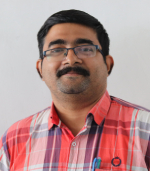
Dr. Debopriyo Ghoshal
|
Qualification: |
Ph.D, M. Sc |
|---|---|
|
Designation: |
Assistant Professor |
|
E-mail: |
|

Dr. Arnab Chakraborty
|
Qualification: |
Ph.D, M. A |
|---|---|
|
Designation: |
Assistant Professor |
|
E-mail: |
|

Prof. Ashesava Mazumdar
|
Qualification: |
M. Phil, M. A |
|---|---|
|
Designation: |
Assistant Professor |
|
E-mail: |
|

Prof. Anupal Chowdhury
|
Qualification: |
M. Tech |
|---|---|
|
Designation: |
Assistant Professor |
|
E-mail: |
|

Prof. Soumik Basu
|
Qualification: |
MBA |
|---|---|
|
Designation: |
Assistant Professor |
|
E-mail: |
|

Prof. Asis Mangol Maiti
|
Qualification: |
M. Sc |
|---|---|
|
Designation: |
Assistant Professor |
|
E-mail: |
|

Prof. Sharmishtha Banerjee
|
Qualification: |
M. Sc |
|---|---|
|
Designation: |
Assistant Professor |
|
E-mail: |
|
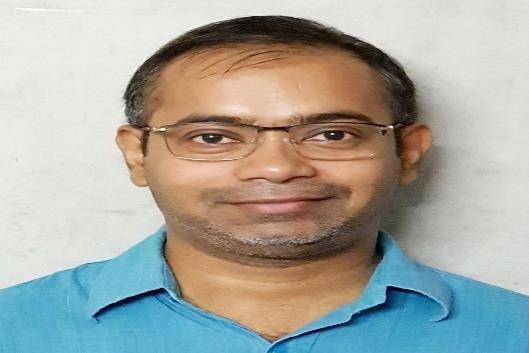
Prof. Tirtha Roy Choudhury
|
Qualification: |
M. Sc. |
|---|---|
|
Designation: |
Assistant professor |
|
E-mail: |
|

Prof. Krishna Kanta Das
|
Qualification: |
M. Sc. |
|---|---|
|
Designation: |
Assistant professor |
|
E-mail: |
|

Prof. Rockey Burnwal
|
Qualification: |
MBA |
|---|---|
|
Designation: |
Assistant professor |
|
E-mail: |
|

Prof. Priyanka Banerjee
|
Qualification: |
M.A. |
|---|---|
|
Designation: |
Assistant professor |
|
E-mail: |
|
Technical Assistant

Mr. Raja Ray
|
Qualification: |
M. Sc |
|---|---|
|
Designation: |
Senior Technical Assistant |
|
E-mail: |
|
- Details
- Written by: fit
- Category: Uncategorised
- Hits: 2744
Vision & Mission
Vision
"Empowering Engineers with a Holistic Foundation for Innovation and Social Responsibility."
The vision of the Basic Science and Humanities Department is to be recognized as a premier center for providing a strong, integrated, and transformative education in the foundational sciences and humanities. We strive to develop engineers who not only possess exceptional technical skills but also demonstrate a deep understanding of the broader world and a strong sense of social responsibility. Our vision is to inspire students to embrace diversity, creativity, and critical thinking, enabling them to contribute to the betterment of society and the advancement of technology with ethical and sustainable practices.
Mission
-
Excellence in Teaching and Learning: Our mission is to deliver high-quality, innovative, and student-centered teaching that fosters a deep comprehension of fundamental scientific principles, critical communication skills, and an appreciation for the humanities. We aim to create an intellectually stimulating environment that nurtures curiosity and promotes a love for lifelong learning.
-
Integrative Approach:We are committed to an integrative approach to education, where we bridge the gap between engineering and the basic sciences and humanities. By instilling an understanding of the underlying scientific principles and humanistic values, we enable students to develop well-rounded perspectives, promoting the application of knowledge in solving real-world challenges.
-
Research and Scholarly Activities: We encourage faculty and students to engage in research and scholarly activities that contribute to the advancement of knowledge in the sciences, humanities, and interdisciplinary fields. By fostering a culture of research and innovation, we aim to enhance our college's academic reputation and address societal issues through evidence-based solutions.
-
Cultivating Ethical and Social Responsibility: Our mission is to instill strong ethical values and a sense of social responsibility in our students. By integrating humanities into the engineering curriculum, we emphasize the significance of addressing the broader implications of technological advancements on society and the environment, nurturing engineers who actively contribute to sustainable and inclusive development
-
Promoting Diversity and Inclusion: We are committed to fostering an inclusive and diverse environment within the department and college. By celebrating different perspectives and cultural backgrounds, we prepare our students to work collaboratively in a globalized world, appreciating the value of diverse experiences and ideas.
-
Partnerships and Outreach: We seek to establish collaborative endeavors with industry, governmental agencies, and academic institutions. Through these collaborations, we intend to offer practical experiences, internships, and projects that enhance students' employability and facilitate the application of knowledge to address real-world challenges.
-
Continuous Improvement: Our mission is to engage in ceaseless self-assessment and continuous improvement of our teaching methodologies, curriculum, and research programs. By staying adaptable and innovative, we ensure that our department remains at the forefront of evolving educational practices and societal needs.
Through our vision and mission, the Basic Science and Humanities Department strives to develop engineers who are not only technically proficient but also possess a broader perspective, compassion, and a commitment to contribute positively and meaningfully to the world around them.
- Details
- Written by: fit
- Category: Uncategorised
- Hits: 8647
Message from the Head
Prof. (Dr.) Sujit Kumar Dey
Head of the Department
I welcome you to the Basic Science & Humanities Department which plays a significant role as supporting department in building engineering graduates.
This Department comprises of the core disciplines of Physics, Chemistry, Mathematics, English and Management as well as Economics. All the first-year. students are under the guidance and supervision of this department. The primary objective of this Department is to instill the foundational principles of science necessary to enhance students’ basic understanding of Engineering. As Science forms the base of any branch of Engineering, the faculty members with all their expertise, are relentlessly working to bridge Science and Technology. They are ceaselessly thriving towards the holistic development of students.
In essence, the Department of Basic Science & Humanities stands as a backbone of foundational knowledge and scholarly pursuits, dedicated to blear the boundary between Science and Engineering, poised to make significant contributions to society’s ever-expanding pool of knowledge and innovation.


